Why Leading Universities Standardize on Dedicated Hardware Exam Graders
In high-stakes academic examinations, relying on office document scanners or camera-based software introduces unacceptable error margins from skewed paper feeds, eraser smudges, and lighting variations. Dedicated Sekonic Japan Optical Mark Readers pair mechanical timing-track alignment with 256-level reflective sensors—delivering legally defensible, 99.999% accurate grading.
- 1,800 to 11,000 Sheets/Hour: Tailored models for schools, faculties, and central testing authorities.
- Dual Output Stackers: Automatically out-sorts invalid IDs or blank sheets without stopping batch processing.
- Full Psychometrics: Instant Cronbach's Alpha, Difficulty & Discrimination Indices via AutoTest and Classic Remark OMR.
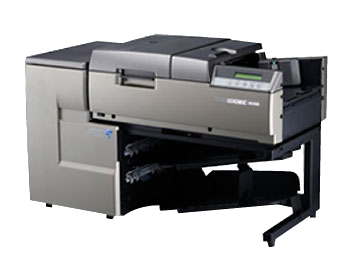
Compare Sekonic Automated Exam Grader Models
SR-11000
11,000 sheets/hour

The pinnacle of Japanese precision engineering and the world's fastest desktop Optical Mark Reader, processing up to 11,000 double-sided answer sheets per hour with 99.999% accuracy.
SR-8000 HYBRID
8,000 sheets/hour

Combines 8,000 sheets/hour true hardware OMR sensors with a high-resolution color CIS image scanner—capturing both student marks and full digital sheet images in a single pass.
SR-6500 / SR-6500 HYBRID
6,500 sheets/hour

The most widely deployed OMR scanner across faculties of medicine, engineering, and sciences in Saudi Arabia, Syria, and Jordan—delivering 6,500 sheets/hour durability.
SR-3500 / SR-3500 HYBRID
3,500 sheets/hour

Delivers 3,500 sheets/hour with the exact same 99.999% True OMR optical sensors as flagship models—ideal for individual colleges, institutes, and large K-12 schools.
SR-1800EX
1,800 sheets/hour

A lightweight 4.5 kg desktop OMR scanner processing 1,800 sheets/hour—eliminating manual teacher grading workloads across private schools, language centers, and admission offices.
AutoTest Exam Assessment Suite
Real-time synchronous processing
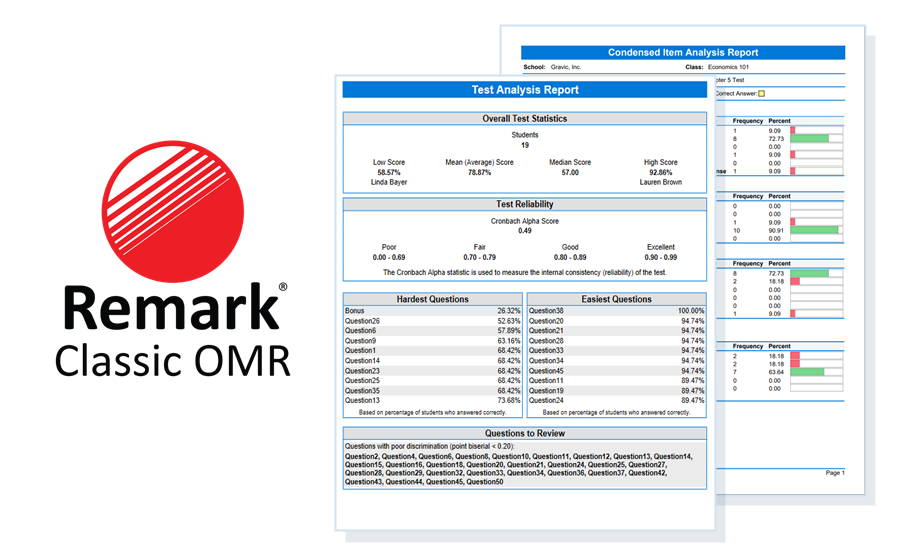
The analytical brain of your exam control room—supporting multi-version keys (A/B/C/D), Cronbach's Alpha reliability, difficulty/discrimination indices, and Classic Remark OMR workflows.